- This topic is empty.
-
AuthorPosts
-
June 15, 2026 at 6:21 pm #113210
In modern civil engineering, the stability of foundations is one of the most critical factors determining the safety, durability, and performance of large-scale infrastructure projects. As urbanization accelerates and construction projects become more complex, engineers are increasingly required to address challenging ground conditions such as soft soil, uneven settlement, and high load-bearing demands.
To meet these challenges, advanced foundation reinforcement technologies have become essential in ensuring long-term structural stability across infrastructure sectors including transportation, energy, industrial facilities, and urban development.
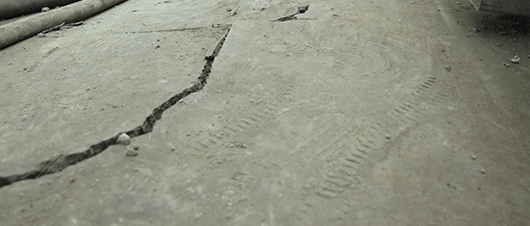
The Importance of Foundation Reinforcement
Foundation systems serve as the core support for any structure. Weak or unstable ground conditions can lead to settlement issues, cracking, deformation, or even structural failure over time.
Foundation reinforcement is therefore used to:
-
Improve soil bearing capacity
-
Reduce settlement and deformation
-
Enhance overall structural stability
-
Extend the service life of infrastructure
-
Ensure safety under dynamic loads such as traffic, wind, and seismic activity
With increasing engineering demands, traditional ground treatment methods alone are often insufficient for modern projects.
Common Challenges in Large-Scale Projects
Large infrastructure projects often face complex geotechnical conditions, including:
-
Soft or highly compressible soil layers
-
High groundwater levels
-
Uneven soil distribution
-
Heavy structural loads from buildings or bridges
-
Long-term environmental stress factors
These challenges require customized engineering solutions rather than one-size-fits-all approaches.
Advanced Foundation Reinforcement Methods
Modern engineering has developed a variety of effective reinforcement techniques designed to improve ground stability and load-bearing capacity.
Deep Soil Mixing (DSM)
This method involves mixing in-situ soil with cementitious materials to create strong soil columns. It significantly improves soil strength and reduces compressibility, making it suitable for soft ground conditions.
Jet Grouting
High-pressure injection of grout into the soil forms solidified columns or panels. This technique is widely used for sealing, strengthening, and controlling groundwater flow.
Pile Foundation Systems
Pile foundations transfer structural loads to deeper, more stable soil layers or bedrock. They are commonly used in bridges, high-rise buildings, and heavy industrial structures.
Vibro Compaction and Vibro Replacement
These methods improve granular soil density through vibration, reducing settlement risk and increasing load-bearing capacity.
Geosynthetic Reinforcement
Geotextiles and geogrids are used to reinforce soil layers, distribute loads, and improve overall ground stability, especially in road and embankment construction.
Applications in Infrastructure Development
Foundation reinforcement technologies are widely applied across multiple infrastructure sectors, including:
-
High-rise building construction
-
Highway and railway systems
-
Bridge engineering
-
Airport runways and terminals
-
Industrial plant foundations
-
Ports and coastal structures
Each application requires tailored engineering solutions based on soil conditions and structural requirements.
Engineering Design and Technology Integration
Modern foundation reinforcement is no longer limited to traditional construction techniques. It now integrates advanced technologies such as:
-
Geotechnical investigation and soil modeling
-
Computer-aided structural analysis
-
Real-time monitoring systems
-
Precision construction equipment
-
Data-driven engineering optimization
These technologies help engineers predict soil behavior more accurately and design safer, more efficient foundation systems.
Role of Professional Engineering Solutions
Companies specializing in geotechnical and foundation engineering play a key role in delivering reliable infrastructure solutions. For example, Hengxiang Hongye focuses on providing advanced engineering solutions for stable foundation reinforcement in large-scale infrastructure projects.
Such providers typically support projects through:
-
Site investigation and soil analysis
-
Customized reinforcement design
-
Construction implementation guidance
-
Quality control and technical support
This integrated approach ensures that foundation systems meet both safety standards and long-term performance requirements.
Industry Trends and Future Development
The future of foundation engineering is moving toward greater precision, sustainability, and intelligence. Key trends include:
-
Increased use of digital geotechnical modeling
-
Sustainable and low-carbon construction materials
-
Smart monitoring of foundation performance
-
Automation in construction processes
-
Improved resilience against extreme weather and seismic events
These advancements are reshaping how infrastructure projects are designed and executed worldwide.
Conclusion
Stable foundation reinforcement is a fundamental requirement for safe and durable large-scale infrastructure. With increasingly complex soil conditions and growing structural demands, advanced engineering solutions have become indispensable in modern construction.
Through the integration of innovative reinforcement methods, digital technologies, and expert engineering services, infrastructure projects can achieve higher stability, improved safety, and longer service life, supporting sustainable urban and industrial development for the future.
en.hengxianghongye.com
Hengxiang Hongye Soil and Foundation Improvement Technology Co.,Ltd -
-
AuthorPosts

- You must be logged in to reply to this topic.