- This topic is empty.
-
AuthorPosts
-
November 25, 2026 at 5:37 pm #115093
Hang tags are widely used in apparel, footwear, accessories, home textiles, and other retail products. They provide space for brand identification, product details, barcodes, pricing information, size information, and care instructions. Although hang tags are relatively small, applying labels to them accurately and consistently can be a challenging part of the packaging process, especially when manufacturers handle large product volumes or multiple tag formats.
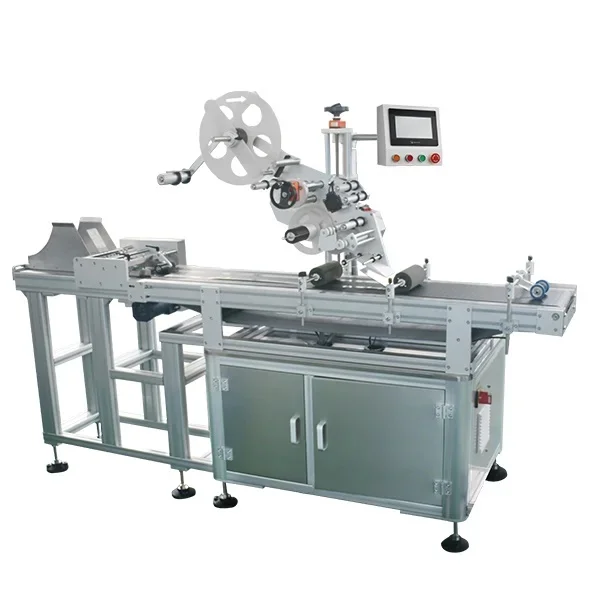
For apparel manufacturers, garment suppliers, and retail packaging companies, choosing the right hang tag labeling machine can help improve labeling efficiency, reduce manual labor, and maintain a consistent presentation across different product batches. However, hang tags are not all made from the same materials or produced in identical shapes and sizes. Differences in paper thickness, surface finish, tag dimensions, and label placement requirements can influence machine performance.
A suitable labeling solution should match the actual hang tag specifications, production capacity, and packaging workflow. This article explores the key factors businesses should consider when selecting hang tag labeling machines for apparel and retail packaging applications.
1. Understand Your Hang Tag Types and Applications
Before selecting a hang tag labeling machine, manufacturers should identify the types of tags used in their packaging operations. Different retail products may require different hang tag designs, and these differences directly affect the labeling process.
Apparel Hang Tags
Apparel hang tags are commonly attached to shirts, jackets, trousers, dresses, sportswear, and other clothing products. They typically contain brand logos, garment sizes, product codes, prices, and barcode information.
These tags are often made from coated paper, cardstock, or specialty materials. Their shapes may be rectangular, square, rounded, or customized according to brand requirements.
For apparel manufacturers handling multiple clothing collections, the labeling equipment should accommodate different tag dimensions and label positions without requiring extensive manual adjustments.
Footwear and Accessories Hang Tags
Footwear, handbags, belts, hats, and fashion accessories may use hang tags with different sizes and structural designs. Some tags are relatively thick, while others include multiple layers or decorative finishes.
A labeling machine for retail hang tags should be able to handle these variations while maintaining accurate label placement. If the tag contains embossed areas, textured surfaces, or pre-printed graphics, the label position must also be carefully selected to avoid covering important design elements.
Retail Product Hang Tags
Hang tags are not limited to the fashion industry. They are also used for toys, household products, sporting goods, promotional items, and other retail merchandise.
Depending on the application, labels may contain barcodes, SKU numbers, pricing information, product specifications, or inventory identification details.
Understanding the intended application helps manufacturers determine the required labeling accuracy, label size range, and production speed before choosing equipment.
2. Evaluate Hang Tag Material and Surface Characteristics
The material of a hang tag has a direct influence on label adhesion and application performance. Even when two tags have similar dimensions, their surface finishes may require different label materials or application settings.
Common hang tag materials include coated paper, uncoated paper, cardboard, kraft paper, and synthetic materials.
Coated Paper Tags
Coated paper hang tags usually have a relatively smooth surface and are widely used for branded apparel and retail products. They can support high-quality printing and provide a polished appearance.
However, the coating may affect how certain adhesives bond to the surface. Manufacturers should test label adhesion using the actual tag material and label combination before selecting a final machine configuration.
Uncoated Paper and Kraft Tags
Uncoated paper and kraft paper are often used for minimalist, natural, or environmentally positioned product packaging. Their surfaces may be more porous or textured than coated paper.
These characteristics can influence label adhesion and application consistency. The adhesive should be compatible with the surface, while the labeling machine should apply labels without damaging or excessively bending the tags.
Cardboard and Thick Hang Tags
Some premium apparel and retail products use thick cardstock or multi-layer hang tags. These tags may be more rigid and heavier than standard paper tags.
When selecting automatic hang tag labeling machines for thicker materials, manufacturers should check the feeding and separation mechanisms. The equipment needs to handle the tags consistently without causing double feeding, misalignment, or mechanical jams.
3. Choose a Machine That Matches Hang Tag Dimensions
Hang tags come in a wide range of sizes. Standard rectangular tags are common, but brands may also use oversized, narrow, square, or specially shaped designs.
The machine's operating range should match the dimensions of the tags being processed.
Important specifications include:
-
Minimum and maximum tag length
-
Minimum and maximum tag width
-
Tag thickness
-
Tag shape
-
Label dimensions
-
Required label position
-
Feeding direction
For example, a machine designed for medium-sized rectangular apparel tags may not handle very small accessory tags or oversized promotional cards without adjustments.
Manufacturers should also consider whether they produce several tag sizes within the same facility. If different formats are processed regularly, a flexible hang tag labeling machine with adjustable guides and positioning components may be more practical than purchasing separate machines for each format.
However, it is important to confirm the actual operating range with the equipment manufacturer. A machine that can technically accommodate multiple tag sizes may still require additional change parts or adjustments to maintain consistent performance.
4. Determine the Required Labeling Position
Label placement is an important part of apparel and retail packaging. Hang tags often contain pre-printed information, brand graphics, decorative elements, or product identification details. Labels must be applied in the correct location without covering essential content.
Before selecting a machine, manufacturers should define where labels need to be positioned.
Front-Side Labeling
Front-side labeling is commonly used when brands need to display pricing information, promotional details, or additional product identification on the front of a hang tag.
The machine should maintain consistent positioning so that labels appear at the same location across the production batch.
Back-Side Labeling
The back of a hang tag is frequently used for barcodes, SKU numbers, care information, and product specifications. Applying labels to the back can help preserve the original design on the front.
A suitable hang tag labeling machine should be able to position labels accurately without damaging the printed information.
Multiple Label Positions
Some retail packaging requirements involve more than one label. For example, a tag may need a barcode label, a price label, and a separate inventory identification label.
In these applications, manufacturers should consider whether the machine can complete multiple labeling operations in one process or whether separate labeling stations are required.
Defining label positions in advance helps suppliers recommend an appropriate machine configuration and reduces the risk of unnecessary equipment modifications.
5. Consider Label Materials, Sizes, and Adhesive Compatibility
Hang tag labeling performance depends not only on the machine but also on the labels being applied. The label material, adhesive, dimensions, and liner characteristics can all influence feeding and application quality.
Label Size and Shape
Labels used for apparel and retail hang tags may be small barcode stickers, rectangular price labels, or larger product information labels.
The selected machine should support the required label width and length. If labels are extremely small, the feeding mechanism must maintain precise positioning to prevent inconsistent application.
For labels with unusual shapes or customized designs, manufacturers should provide samples to confirm compatibility.
Label Material
Common label materials include paper and synthetic films. Paper labels are frequently used for pricing and barcode applications, while synthetic materials may be selected when greater resistance to moisture or abrasion is required.
The choice depends on the product category, retail environment, and intended label function.
Adhesive Compatibility
The adhesive must provide sufficient bonding strength for the selected hang tag surface. If the adhesive is unsuitable, labels may lift at the edges, detach during handling, or become difficult to apply consistently.
This is particularly important for textured kraft paper, coated cardstock, and specialty packaging materials.
A reliable hang tag label applicator should handle the selected label specifications smoothly, but the adhesive itself must also be tested to ensure the required adhesion performance.
6. Evaluate Feeding and Separation Performance
Feeding consistency is one of the most important factors when choosing automatic hang tag labeling machines. Unlike continuous packaging materials, individual hang tags need to be separated and transferred into the labeling position one at a time.
If the feeding mechanism cannot separate tags reliably, the machine may experience double feeding, missed tags, or production interruptions.
Several factors influence feeding performance.
Tag thickness: Thin paper tags may stick together, while thicker cardstock may require a different separation mechanism.
Surface finish: Glossy or coated tags can sometimes create friction or adhesion differences during stacking and feeding.
Tag dimensions: Small tags and unusually shaped cards may require specific guides or positioning adjustments.
Stack consistency: Unevenly stacked tags can affect the feeding process and cause inconsistent positioning.
When evaluating a hang tag labeling machine for apparel packaging, manufacturers should test it with the actual tags used in production. This is especially important when handling multiple tag materials or thicknesses.
7. Match Labeling Speed to Production Volume
Production speed is another major consideration. Small apparel factories, large garment manufacturers, and retail packaging service providers may have very different labeling requirements.
A business processing a few thousand hang tags per day may not need the same machine configuration as a facility handling tens of thousands of tags across multiple production lines.
When evaluating labeling speed, manufacturers should consider:
-
Average daily tag volume
-
Required hourly output
-
Number of production shifts
-
Number of tag formats
-
Manual loading requirements
-
Label roll replacement frequency
-
Expected downtime during changeovers
It is important to distinguish between the machine's theoretical maximum speed and its stable operating speed. Actual output may be affected by tag thickness, feeding consistency, label dimensions, and operator intervention.
A high-speed hang tag labeling machine should maintain reliable tag separation and accurate label placement at the required production rate. Increasing speed without considering feeding stability may result in more misfeeds, wasted labels, and additional downtime.
For this reason, manufacturers should evaluate machine performance under realistic production conditions rather than relying only on advertised speed figures.
8. Consider Barcode and Variable Information Labeling
Barcode labeling is an important requirement in apparel and retail packaging. Many retailers and distributors use barcode systems to manage inventory, identify products, and track goods throughout the supply chain.
Hang tags may contain several types of variable information, including:
-
SKU numbers
-
Product codes
-
Barcode information
-
Retail prices
-
Size identification
-
Color codes
-
Batch or production information
If these details are printed separately and applied as labels, the labeling machine should be compatible with the required label format.
Manufacturers should also consider whether the labeling process needs to connect with barcode printing equipment or inventory management systems.
For example, a production line may use a printer to generate barcode labels based on product information, followed by an automatic labeling machine that applies them to individual hang tags.
In this situation, coordination between printing, feeding, and labeling processes is important. The correct label must be applied to the corresponding tag, particularly when multiple product SKUs are processed in the same facility.
If barcode readability is important, manufacturers should also verify that labels are applied smoothly without wrinkles, folds, or damage that could interfere with scanning.
9. Choose Between Semi-Automatic and Fully Automatic Equipment
The appropriate automation level depends on production volume, labor availability, and the overall packaging workflow.
Semi-Automatic Hang Tag Labeling Machines
Semi-automatic equipment usually requires operators to load or position hang tags manually before the machine applies the labels.
This type of solution may be suitable for small apparel manufacturers, sample production, short product runs, or businesses handling customized hang tags.
Its main advantage is flexibility for certain low-volume applications. However, manual loading and positioning may limit output and introduce differences between individual tags.
Fully Automatic Hang Tag Labeling Machines
Fully automatic systems can combine tag feeding, separation, positioning, label application, and discharge into a continuous process.
They are generally more suitable for large-scale apparel production, retail packaging operations, and businesses that process high volumes of tags.
An automatic hang tag labeling machine can reduce repetitive manual work and help maintain more consistent labeling results.
When comparing automation options, manufacturers should consider the total production process. A fully automatic machine may offer higher output, but the feeding system, label supply, and downstream collection process must also be properly configured.
10. Evaluate Machine Flexibility for Multiple Product Categories
Apparel and retail packaging operations often handle different product categories throughout the year. A manufacturer may process clothing hang tags during one production run and accessory or footwear tags during another.
A flexible labeling machine can help support these changes without requiring a completely separate production setup.
However, flexibility should be evaluated based on specific requirements rather than general claims.
Manufacturers should check whether the machine can accommodate:
-
Different tag lengths and widths
-
Various tag thicknesses
-
Different paper and synthetic materials
-
Multiple label sizes
-
Different labeling positions
-
Changes in feeding direction
-
Different production speeds
Changeover time is particularly important for businesses with frequent SKU changes. A machine that requires extensive manual adjustment between tag formats may reduce the benefits of automation.
Before purchasing, manufacturers should ask the supplier which components can be adjusted and which require replacement. This provides a clearer understanding of the machine's actual flexibility.
Conclusion
Choosing the right hang tag labeling machine for apparel and retail packaging requires a clear understanding of tag materials, dimensions, label specifications, feeding requirements, and production volume. Manufacturers should also consider barcode applications, automation levels, format changeovers, and compatibility with existing packaging operations.
Rather than selecting equipment based only on speed or price, buyers should evaluate how consistently the machine handles their actual hang tags and labels. Practical testing is especially valuable when production involves different tag sizes, thicknesses, or surface finishes.
For apparel manufacturers, garment suppliers, and retail packaging businesses looking to improve labeling efficiency, Beilt can be considered when evaluating equipment configurations based on specific hang tag formats, label requirements, and production needs. Matching the labeling system to the actual packaging process helps businesses maintain consistent label placement, reduce manual handling, and support more efficient retail packaging operations.
http://www.beiltpack.com
beiltpack -
-
AuthorPosts

- You must be logged in to reply to this topic.