- This topic is empty.
-
AuthorPosts
-
November 13, 2026 at 10:35 am #114866
In chemical processing facilities, liquid level monitoring plays a much more important role than simply indicating how much liquid remains inside a storage tank. Level gauges are often exposed to highly aggressive substances, including acids, alkalis, halogens, organic solvents, and other corrosive chemicals. If the materials in contact with these substances are not properly selected, or if the protective lining becomes damaged, problems such as chemical leakage, measurement errors, equipment deterioration, and unexpected shutdowns may occur.
This makes supplier selection an important part of equipment procurement. When looking for a dependable F46 lined level gauge supplier, chemical plant operators should look beyond product specifications and appearance. Factors such as fluoropolymer processing technology, production capabilities, quality inspection procedures, engineering experience, and application knowledge all deserve careful consideration.
F46, commonly known as FEP, is a fluoropolymer widely used in corrosion-resistant industrial equipment. F46-lined magnetic level gauges are suitable for certain demanding chemical environments where ordinary metallic materials may not provide adequate protection. They can also be considered for applications where controlling chemical permeation is important, including selected liquid chlorine services.
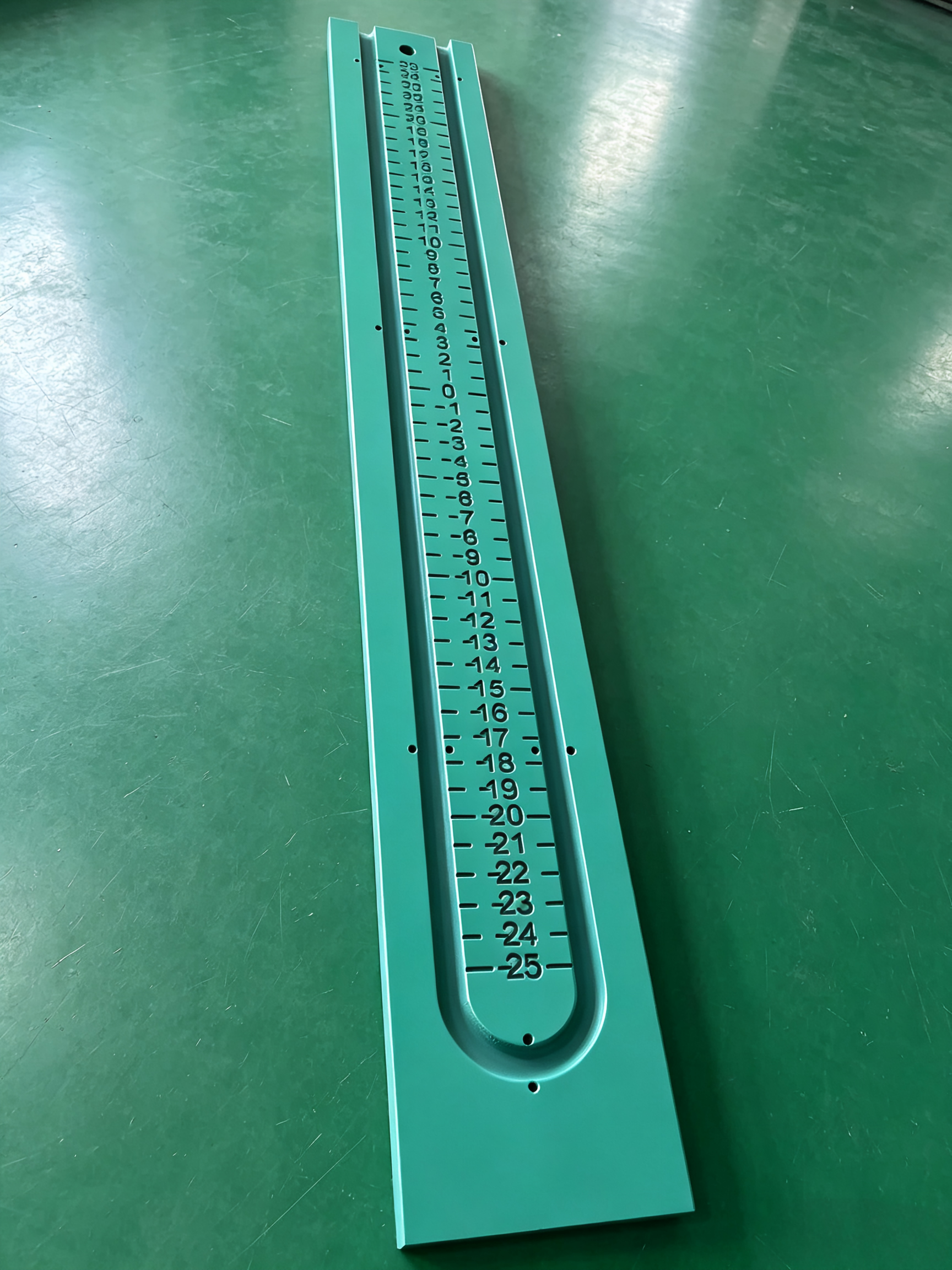
So, how can buyers identify a manufacturer capable of supplying reliable equipment for chemical processing operations? The following factors provide a practical reference.
1. Identify the Chemical and Operating Conditions First
Before discussing product models with a supplier, chemical plants should prepare complete information about the application. Simply describing the liquid as corrosive does not provide enough information for selecting suitable materials and equipment.
Different chemicals have different corrosion characteristics, and their effects can change considerably with concentration, temperature, pressure, and operating conditions.
The following technical details should be provided whenever possible:
-
Chemical composition and concentration
-
Normal operating temperature and maximum temperature
-
Operating pressure and maximum design pressure
-
Liquid specific gravity or density
-
Tank height and required measurement range
-
Installation location and orientation
-
Process connection dimensions and flange standards
-
Normal and abnormal operating conditions
-
Whether vacuum conditions are involved
-
Presence of suspended particles, deposits, or crystallizing substances
An experienced supplier should evaluate these parameters before suggesting a suitable level gauge configuration.
It is important to understand that no fluoropolymer material is automatically compatible with every chemical under all operating conditions. Material selection must be based on the actual combination of chemical composition, concentration, temperature, and pressure.
Special attention is also necessary when measuring hazardous or highly permeable substances. Although F46 and PTFE both belong to the fluoropolymer family, they have different material properties and processing characteristics. Their suitability should therefore be assessed according to the specific application rather than treated as interchangeable.
2. Examine the Role and Quality of F46 Lining
The primary function of F46 lining is to create a protective barrier between the corrosive process liquid and the metal structure of the level gauge.
A conventional magnetic level indicator generally consists of a measuring chamber, an internal float, and an external magnetic indication system. As the liquid level changes, the float moves accordingly. Its magnetic field drives the external indicator, allowing operators to monitor the liquid level without direct contact with the process medium.
This construction makes magnetic level gauges a practical option for many industrial chemical applications.
F46 lining offers useful chemical resistance and can provide a protective layer for equipment operating in demanding environments. However, the actual service performance depends on more than the material name printed on the product specification.
The lining process, structural design, connection treatment, and manufacturing accuracy are equally important.
When evaluating a manufacturer, buyers should ask about the following:
-
The manufacturing method used for F46 lining
-
How the lining is treated around flange connections
-
Methods for maintaining consistent lining thickness
-
Procedures for identifying lining defects
-
Protection measures during machining and assembly
-
Inspection and testing procedures for completed equipment
A manufacturer with practical fluoroplastic processing experience should be able to explain these details clearly.
This is also an effective way to distinguish a specialized anti-corrosion equipment manufacturer from a supplier that mainly purchases finished components and performs basic assembly.
3. Investigate the Manufacturer's Fluoroplastic Production Capabilities
A product catalog alone cannot fully demonstrate a company's manufacturing strength. Chemical equipment buyers should investigate whether the supplier has genuine experience in producing fluoroplastic-lined products.
Manufacturing experience across different fluoroplastic applications is particularly valuable because many technical challenges are shared between products.
For example, a qualified manufacturer may also produce:
-
PTFE-lined industrial pipes
-
Fluoroplastic-lined pipe fittings
-
F46-lined anti-corrosion equipment
-
Fluoroplastic sealing components
-
PTFE machined products
-
Lined industrial valves and vessels
-
Customized fluoroplastic piping assemblies
These capabilities indicate that the manufacturer may have a broader understanding of corrosion protection in industrial piping systems.
Issues such as flange sealing, thermal expansion, connection accuracy, lining protection, and material compatibility are not limited to level gauges. They also affect the performance of the surrounding process equipment.
Working with a manufacturer experienced in multiple fluoroplastic products can make technical communication and customized equipment development more efficient.
4. Examine Quality Inspection and Manufacturing Control
For chemical plant equipment, quality cannot depend entirely on the final inspection. A dependable F46 lined level gauge supplier should maintain inspection procedures throughout the production process.
The quality control system should cover several important stages, including:
-
Raw material inspection: Verify the specifications and quality of the metal body and fluoropolymer materials.
-
Dimensional verification: Check the measuring chamber, flange dimensions, connection positions, and other critical measurements.
-
Lining inspection: Examine the F46 protective layer for defects and ensure that the lining meets the specified requirements.
-
Assembly inspection: Confirm that the float, chamber, indicator, and accessories are installed correctly.
-
Leakage and pressure testing: Conduct appropriate tests according to the equipment design and project requirements.
-
Final functional inspection: Verify the indication performance and overall equipment condition before delivery.
Buyers should also request relevant inspection reports and testing documentation when necessary.
One particularly useful question to ask a potential supplier is:
"Which inspection methods do you use to confirm the quality and integrity of the F46 lining?"
A professional manufacturer should be able to describe its inspection methods and provide supporting records where applicable.
ISO 9001 certification can demonstrate that a company has established a quality management framework. However, certification alone does not guarantee the technical performance of a specific product. It should be considered together with actual manufacturing procedures and product inspection results.
5. Verify Float Design and Measurement Accuracy
Although the fluoroplastic lining is a major consideration, the internal float is another component that directly affects measurement reliability.
In a magnetic level gauge, the float responds to changes in liquid level. Its buoyancy and magnetic properties must be matched to the characteristics of the measured medium.
If the float is incorrectly designed or selected, it may fail to move smoothly, resulting in unstable indication or measurement inaccuracies.
Before production, the supplier should confirm several technical parameters:
-
Specific gravity of the process liquid
-
Float material and structural design
-
Float dimensions and buoyancy requirements
-
Required measurement range
-
Center-to-center installation distance
-
Process connection configuration
-
Indicator type and scale requirements
Applications involving unusual liquid densities or extended measuring distances may require specially designed floats and customized indication systems.
Rather than expecting customers to determine every parameter themselves, an experienced manufacturer should provide technical assistance and verify the design before manufacturing begins.
6. Match the Level Gauge to the Installation Environment
The operating environment of a chemical plant can create additional requirements for level measurement equipment.
A level gauge may be installed near pumps, reactors, pipelines, outdoor storage tanks, or other process equipment. Factors such as weather exposure, vibration, available installation space, and maintenance accessibility can influence the final design.
Depending on the application, buyers may need to consider:
-
Easily visible external indication
-
Suitable mounting brackets and supports
-
Appropriate drain and vent connections
-
High-level and low-level alarm switches
-
Remote level transmission devices
-
Heating or insulation arrangements
-
Special flange and connection standards
-
Customized installation dimensions
Magnetic level indicators can also be equipped with switches and transmitters to provide additional monitoring functions.
For example, local magnetic indication allows operators to check the liquid level directly at the equipment, while a remote transmitter can send measurement signals to a DCS or PLC control system.
This combination is useful in chemical plants where both on-site observation and centralized process monitoring are required.
7. Confirm All Dimensions Through Engineering Drawings
Before authorizing production, buyers should request detailed engineering drawings and carefully check all dimensions.
This step is particularly important for equipment replacement projects, where the new level gauge must fit an existing tank and connect to the original pipeline arrangement.
Even if a product has the correct measurement principle and material construction, incorrect connection dimensions can lead to installation difficulties and additional modification costs.
A complete engineering drawing should normally include:
-
Overall equipment dimensions
-
Center-to-center distance
-
Process connection locations
-
Flange dimensions and standards
-
Measuring range
-
Main structural materials
-
F46 lining specifications
-
Drain and vent positions
-
Mounting direction
-
Optional accessories and instruments
A manufacturer with sufficient engineering experience should be able to prepare drawings based on customer specifications, equipment data sheets, or measurements taken at the installation site.
Buyers should review and approve these drawings before manufacturing starts to reduce communication errors and avoid unnecessary rework.
8. Select a Supplier with Customization Experience
Chemical processing projects frequently involve different tank structures, installation requirements, and operating parameters. Consequently, standard catalog equipment may not always meet the actual application needs.
A capable manufacturer should have the engineering and production flexibility to customize equipment according to customer requirements.
Possible customization items include measuring chamber dimensions, flange specifications, center distances, lining materials, measurement ranges, and additional accessories.
Dongyang Kanghua Mingfu Chemical Equipment Co., Ltd. is a manufacturer specializing in fluoroplastic anti-corrosion equipment and related industrial components.
Established in 2024 and located in Huxi Town Industrial Zone, Dongyang, Zhejiang, the company draws on more than 20 years of industry experience inherited from Dongyang Kanghua Chemical Equipment Factory.
Its manufacturing scope includes steel-lined fluoroplastic anti-corrosion equipment, specialized pipelines and fittings, PTFE products, and industrial sealing components.
This product portfolio provides a broader technical foundation for addressing corrosion-resistant equipment requirements. Instead of treating a level gauge as an independent instrument, the company can approach it within the context of the customer's overall fluoroplastic-lined piping and equipment system.
For customers searching for an F46 lined level gauge, this type of manufacturing background can be beneficial when discussing material selection, structural design, and non-standard product configurations.
9. Evaluate Experience in Similar Chemical Industries
A manufacturer's previous project experience can provide useful information about its technical capabilities.
However, simply knowing how long a company has been established is not enough. Buyers should also investigate the types of industries and chemical operating environments it has served.
Relevant application areas may include:
-
Fluorochemical manufacturing
-
Hydrofluoric acid processing
-
Pharmaceutical production
-
Silicone manufacturing
-
Chlor-alkali chemical processes
-
Corrosive chemical storage
-
Industrial liquid transportation
-
Specialized chemical piping systems
Mingfu reports that it has developed stable business relationships with 178 companies, including 23 leading enterprises in their respective industries, such as Zhejiang Sanmei.
The company also indicates that it has accumulated experience in corrosion-resistant equipment and related technologies serving hydrofluoric acid, pharmaceutical, and silicone industries.
For potential buyers, these references can help provide an initial understanding of the manufacturer's industry exposure.
Nevertheless, the most important consideration is whether the supplier has handled applications with chemical properties and operating conditions comparable to the intended project.
Asking for relevant project references, technical cases, or examples of similar equipment can make this evaluation more meaningful.
10. Check Technical Assistance and After-Sales Services
The supplier's responsibilities should not end when the equipment leaves the factory.
Although a properly manufactured level gauge may provide long-term service, installation, commissioning, maintenance, and replacement requirements can still arise during operation.
Before confirming an order, buyers should understand what technical support the supplier can provide, including:
-
Installation and operation instructions
-
Detailed product drawings
-
Technical specifications and data sheets
-
Quality inspection and testing documents
-
Spare parts and replacement components
-
Equipment troubleshooting assistance
-
Maintenance recommendations
-
Ongoing engineering communication
Technical support is especially important when the level gauge is integrated into a larger corrosion-resistant process system.
A manufacturer with an experienced engineering team can help customers identify potential design or installation problems before production, reducing the likelihood of unnecessary delays after delivery.
http://www.mingfuptfeequip.com
Dongyang Kanghua Mingfu Chemical Equipment Co., Ltd. -
-
AuthorPosts

- You must be logged in to reply to this topic.