- This topic is empty.
-
AuthorPosts
-
January 27, 2026 at 2:54 pm #112307
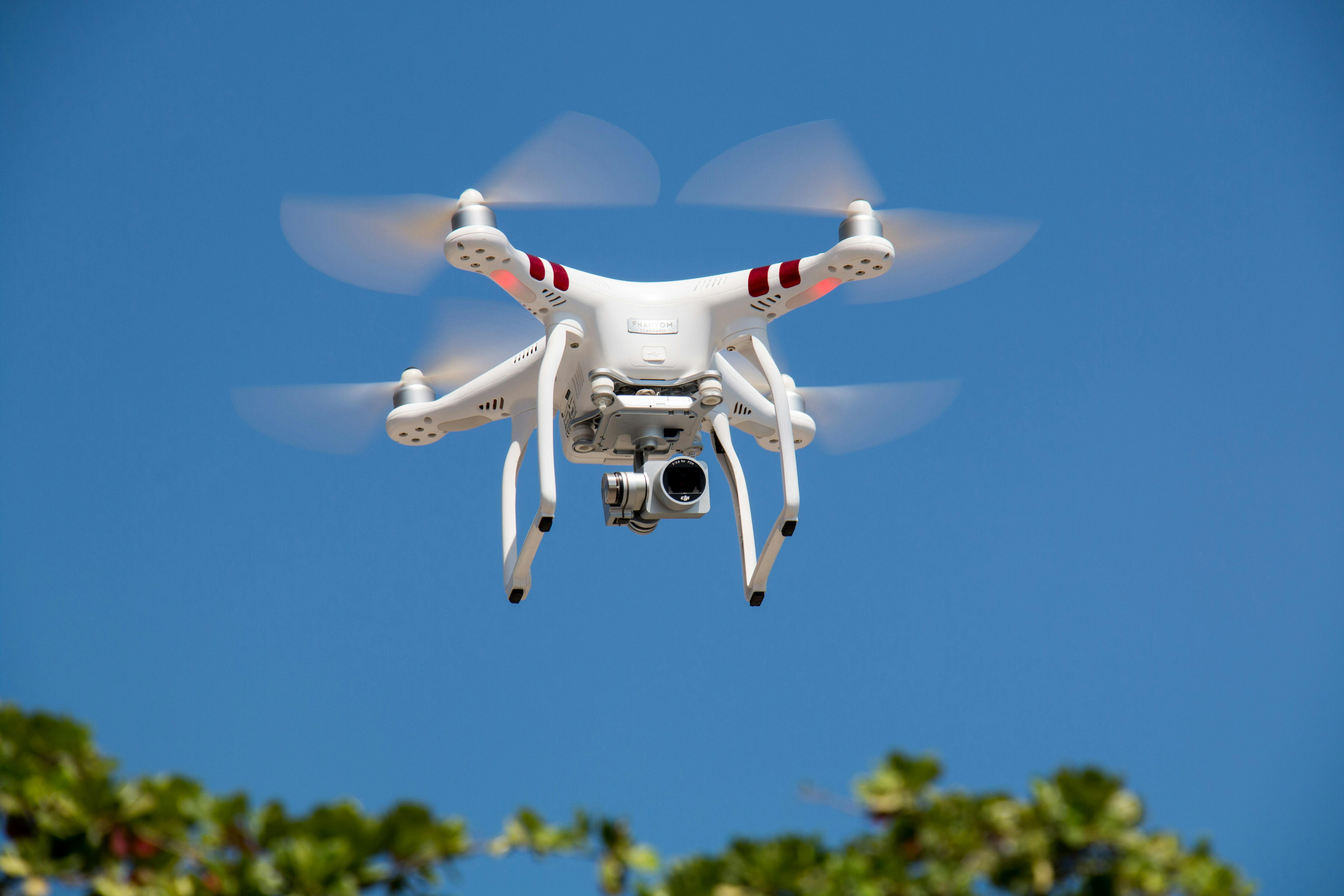
In the world of drone flying, whether for racing, aerial photography, or recreational use, FPV (First Person View) video transmitters play a crucial role. These devices are responsible for sending real-time video signals from the drone’s camera to the pilot’s goggles or monitor, allowing for immersive control and precise maneuvering. Understanding the core aspects of FPV video transmitters, including frequency, range, and overall performance, is essential for both beginners and experienced pilots.
What is an FPV Video Transmitter?
An FPV video transmitter (VTX) is an electronic device installed on a drone that transmits the video feed from the drone’s camera to a receiver on the ground. The receiver could be a set of FPV goggles, a monitor, or even a recording device. The quality of the video feed, the range it can cover, and the reliability of the transmission all depend heavily on the specifications and performance of the VTX.
Unlike Wi-Fi-based camera systems commonly used in consumer drones, FPV video transmitters typically operate on dedicated radio frequencies. This ensures low latency, which is critical for applications like drone racing or precise aerial maneuvers.
Understanding Frequency in FPV Video Transmitters
Frequency refers to the rate at which a signal oscillates, measured in megahertz (MHz). In FPV, common frequency bands include 5.8 GHz, 2.4 GHz, and 1.3 GHz, though 5.8 GHz is the most widely used in racing and hobby drones.
-
5.8 GHz: This frequency offers a good balance between size, antenna requirements, and interference resistance. It is ideal for short to medium-range flights, typically up to 1–2 kilometers, depending on transmitter power and environmental conditions.
-
2.4 GHz: Less commonly used for video transmission due to higher susceptibility to interference from Wi-Fi networks, but it offers better penetration through obstacles like trees or walls.
-
1.3 GHz: Favored for long-range FPV flights because lower frequencies travel farther and penetrate obstacles more effectively. However, 1.3 GHz VTX units are generally larger and heavier, making them less common in racing drones.
Choosing the right frequency is critical. Higher frequencies like 5.8 GHz provide clearer video quality and smaller antenna sizes but have shorter effective range and weaker obstacle penetration. Lower frequencies extend range and reliability but may require larger antennas and can be more prone to regulatory restrictions in certain regions.
Range: How Far Can You Go?
The range of an FPV video transmitter is determined by multiple factors, including output power, antenna quality, and environmental conditions. Output power is measured in milliwatts (mW) and can range from as low as 25 mW to over 1,000 mW for high-end units.
-
Low-power VTX (25–200 mW): Suitable for indoor flying, micro drones, or beginner setups. Low-power transmitters minimize interference and conserve battery life.
-
Medium-power VTX (200–600 mW): Ideal for hobbyist outdoor flying. This range provides a good balance of video quality, battery efficiency, and safety.
-
High-power VTX (600–1,000+ mW): Designed for long-range flights or situations with significant obstacles. These units offer extended coverage but generate more heat and require careful management to avoid overheating.
Environmental factors also impact range. Trees, buildings, and other obstacles can cause signal reflection and attenuation, reducing effective distance. Open fields or elevated positions can maximize range, while dense urban areas or forested environments may limit performance.
Performance Considerations
When evaluating an FPV video transmitter, performance is influenced by several key parameters beyond frequency and power:
-
Latency: Latency refers to the delay between the camera capturing an image and it appearing on the pilot’s display. Low latency is crucial for racing and acrobatic flying. Analog VTX systems typically have latency under 30 milliseconds, while digital systems like DJI FPV or HDZero may experience slightly higher latency but deliver superior image clarity.
-
Resolution: Analog transmitters are limited in video resolution, often capping at 720p equivalent due to bandwidth constraints. Digital VTX systems can transmit true high-definition (HD) video, which is beneficial for cinematography and inspection tasks.
-
Antenna Design: Antennas significantly affect signal stability and range. Circular polarized antennas are preferred in FPV setups because they reduce multipath interference and signal degradation caused by reflections. Matching the right antenna type with the transmitter’s frequency is critical for optimal performance.
-
Cooling and Durability: High-power VTX units generate more heat. Overheating can lead to performance throttling or permanent damage. Good quality VTXs feature heat sinks, thermal protection, and durable casings to withstand vibrations and crashes.
-
Channel Selection and Interference Management: FPV transmitters operate on multiple channels within their frequency band. Being able to select a clear channel is vital to avoid interference, especially in crowded flying environments like races or group sessions.
Analog vs. Digital FPV Video Transmitters
A major performance consideration is whether to use analog or digital VTX systems.
-
Analog VTX: Lightweight, low-cost, and low-latency. Analog video is more tolerant of weak signals, displaying static or noise instead of cutting out entirely. However, the resolution and clarity are lower compared to digital systems.
-
Digital VTX: Offers high-definition video with vibrant color and clarity. Digital systems are often more expensive, heavier, and slightly higher in latency. They are ideal for cinematography, long-range flights, or when precise imaging is required.
For drone racers, analog VTX is still the standard due to minimal latency. For aerial photographers or long-range explorers, digital systems are increasingly preferred.
Tips for Optimizing FPV Video Transmitter Performance
-
Proper Antenna Placement: Avoid obstructing the antenna with carbon fiber frames, batteries, or electronics. Keep antennas as high and unobstructed as possible.
-
Select Appropriate Power Settings: Use the lowest power necessary to achieve stable video. Excessive power can cause overheating and regulatory issues.
-
Use High-Quality Antennas: Circular polarized antennas improve signal reliability, especially in complex environments.
-
Monitor Temperature: Check VTX heat regularly, particularly during extended flights or in hot climates.
-
Choose the Right Frequency for the Environment: Use lower frequencies for long-range flights with obstacles, higher frequencies for short-range racing with minimal interference.
Regulatory Considerations
Different countries have regulations governing the frequencies and power levels that FPV video transmitters can legally use. Pilots must ensure their equipment complies with local laws to avoid fines or interference with other communication systems.
-
In the US, the FCC limits the maximum VTX power in the 5.8 GHz band to 1,000 mW for unlicensed use.
-
In Europe, ETSI rules require careful power management depending on the band.
Always verify local regulations before upgrading to high-power transmitters.
Conclusion
FPV video transmitters are the backbone of immersive drone flying, enabling pilots to see from the drone’s perspective in real time. Understanding frequency, range, and performance factors is essential for selecting the right transmitter, whether you are a beginner flying micro drones, a racer pushing speeds in competitions, or an aerial cinematographer capturing stunning visuals.
Frequency determines the signal’s reach and obstacle penetration, range is influenced by power output and environment, and overall performance depends on latency, resolution, antenna design, and heat management. By carefully considering these factors and following best practices, pilots can maximize their FPV experience, ensuring reliable, high-quality video transmission under any conditions.
Investing time in understanding FPV video transmitters pays off with more immersive flights, better control, and safer drone operation. With the right setup, your drone’s view becomes your eyes in the sky, opening endless possibilities for both fun and professional applications.
As a professional FPV video transmitters manufacturer, PEGATRON Electronics leverages years of experience in high-performance drone communication systems. By focusing on frequency optimization, extended range, and reliable performance, PEGATRON delivers VTX solutions that meet the diverse needs of drone enthusiasts, racers, and aerial cinematographers. Their products combine low latency, durable design, and advanced antenna technology, ensuring stable video transmission even in challenging environments. Committed to innovation and quality, PEGATRON Electronics helps pilots achieve immersive and precise FPV experiences while complying with global regulatory standards.
http://www.pega-fly.com
pega-fly -
-
AuthorPosts

- You must be logged in to reply to this topic.