- This topic is empty.
-
AuthorPosts
-
November 27, 2026 at 4:56 pm #115136
Vintage washed T-shirts have become a distinctive category in modern streetwear, valued for their faded colors, worn-in textures, and relaxed silhouettes. However, achieving an authentic vintage appearance while maintaining consistent garment quality requires more than applying a washing treatment to finished cotton T-shirts. A professional Vintage Washed T-Shirt Manufacturer must coordinate fabric selection, garment construction, dyeing, washing, and quality inspection to ensure that the final product meets both aesthetic and functional requirements.
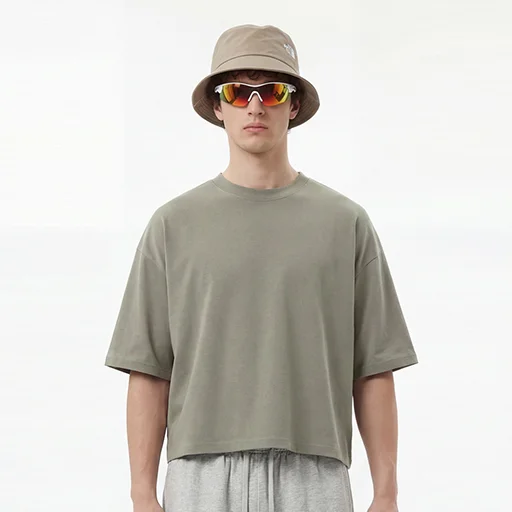
For streetwear brands, one of the biggest challenges is reproducing an approved sample across larger production batches. Differences in fabric shrinkage, color fading, surface abrasion, and garment dimensions can affect the appearance of an entire collection. These variations become particularly important for brands selling through Shopify stores, where product images establish specific customer expectations. A well-controlled manufacturing process helps minimize these risks while preserving the natural irregularities that make vintage washed garments distinctive.
Fabric Shrinkage Control in Vintage Washed T-Shirt Production
Fabric shrinkage is one of the most important technical considerations when manufacturing vintage washed T-shirts. Cotton fibers absorb moisture during washing, allowing yarns and knitted structures to relax. Mechanical movement, water temperature, and drying conditions can further influence the final garment dimensions.
For oversized streetwear designs, even relatively small dimensional changes can affect the intended fit. Excessive shrinkage in body length may make a T-shirt appear shorter than the approved sample, while changes in chest width or sleeve length can alter the overall silhouette.
Different cotton fabrics respond differently to washing. Lightweight single jersey fabrics around 180–220 GSM generally require careful handling to avoid excessive deformation. Midweight fabrics between 230–280 GSM offer a balance of flexibility and structural stability, while heavyweight cotton fabrics around 280–400 GSM may require adjustments to washing and drying conditions because of their greater material mass.
A reliable manufacturer should conduct pre-production washing tests using the actual fabric and garment construction intended for bulk production. Finished measurements should be recorded after washing and compared against the approved size specification. This allows pattern dimensions and shrinkage allowances to be adjusted before mass cutting begins.
For repeat orders, retaining fabric and garment specifications is equally important. Using different fabric suppliers or changing knitting structures without revalidation can introduce unexpected shrinkage variations.
Color Fading and Washing Process Consistency
The faded appearance of vintage washed T-shirts is created through controlled dyeing and finishing processes. Unlike conventional solid-color garments, vintage styles often feature irregular tonal variation, softened color depth, and subtle differences between garment panels.
Pigment dyeing is frequently used to achieve an aged appearance. Pigments primarily remain on the fabric surface with the assistance of binders, allowing subsequent washing and abrasion to create a naturally faded effect. This makes pigment-dyed cotton suitable for many retro-inspired streetwear designs.
Acid washing creates stronger visual contrast through localized fading and surface treatment. It is often selected for collections that require a more distressed appearance. However, excessive treatment can weaken cotton fibers or create unwanted damage around seams and edges.
Enzyme washing provides another approach. Enzymes modify surface fibers, helping reduce fuzziness and improve fabric softness. Depending on the formulation and processing conditions, the treatment can create a subtle worn-in appearance without producing the aggressive contrast associated with acid washing.
Stone washing introduces mechanical abrasion to produce an aged surface. Its effectiveness depends on fabric construction, machine loading, processing duration, and the intensity of mechanical action.
The critical issue is that these techniques cannot share one universal washing recipe. Different fabric weights, colors, dye systems, and garment constructions require different process parameters.
During bulk production, machine loading, water temperature, chemical concentration, washing duration, and drying conditions should be controlled and documented. These variables directly influence color development and surface appearance. Approved physical samples should serve as the reference for evaluating production batches, with reasonable tolerances established for naturally irregular vintage effects.
How Fabric Weight Affects Vintage T-Shirt Quality
Fabric weight is closely connected to garment structure, wearing comfort, and the final visual appearance. However, GSM alone does not determine whether a fabric is suitable for vintage washing. Yarn quality, knitting density, cotton fiber characteristics, and finishing treatments also influence performance.
For lightweight T-shirts, 180–220 GSM cotton offers breathability and flexibility, making it suitable for everyday casual collections. These fabrics require controlled washing because excessive abrasion may create thin areas or visible surface damage.
Midweight cotton between 230–280 GSM provides a more substantial hand feel while maintaining relatively comfortable wearability. It is a practical option for streetwear brands looking to balance garment structure and production cost.
Heavyweight fabrics around 280–400 GSM are commonly used for premium oversized T-shirts. Their greater fabric density supports a more structured appearance, particularly when combined with dropped shoulders, wider sleeves, and relaxed body proportions. However, heavier garments require appropriate washing capacity and drying management to achieve consistent results.
For specialized collections, fabrics ranging from 400–600 GSM may also be considered. These specifications require careful evaluation of garment weight, sewing requirements, washing efficiency, and the intended wearing experience.
A capable Vintage Washed T-Shirt Manufacturer should help match the fabric specification with the desired silhouette and finishing effect instead of treating fabric weight as an isolated purchasing parameter.
Maintaining Seam Strength and Collar Shape After Washing
Vintage washing should create an aged appearance without compromising the garment's structural integrity. Seams, collars, and other stress-bearing areas require particular attention because they may experience repeated mechanical movement during wet processing.
The neckline is especially important in oversized T-shirts. Rib fabric with insufficient elasticity or recovery can become loose after washing, producing a wavy collar that negatively affects the garment's appearance. Rib width, fabric composition, stitching tension, and attachment construction should therefore be evaluated together.
Shoulder seams and sleeve connections also require suitable reinforcement. Heavyweight cotton garments place additional stress on these areas, particularly when the garment is worn with a relaxed or oversized fit. Appropriate thread selection, stitch density, and seam construction help maintain durability during repeated use.
Another consideration is the interaction between garment dimensions and stitching. If the body fabric and rib material shrink at different rates, the neckline may become distorted. Pre-production washing tests should therefore evaluate the complete garment rather than individual fabric components alone.
For brands targeting premium streetwear markets, collar stability, seam appearance, and post-wash measurements should be included in the approved quality standards.
Printing and Embroidery Compatibility with Vintage Washing
Graphic decoration is an important part of vintage streetwear design. Screen printing, puff printing, embroidery, and distressed graphics can all be incorporated into vintage washed T-shirts, but the manufacturing sequence significantly influences the final result.
Printing before washing can produce naturally aged graphics because the ink is exposed to the same finishing process as the garment. This approach can create an integrated vintage appearance, although the washing intensity must be compatible with the selected ink system to prevent excessive cracking or peeling.
Printing after washing provides greater control over graphic color and definition. However, the finished print may look newer than the surrounding fabric, which may not suit every vintage design concept.
Puff printing requires particular attention to ink formulation, curing conditions, and washing resistance. Embroidery also needs to be evaluated for thread durability and fabric distortion, especially when dense stitching is applied to lightweight cotton.
The best approach is to test the actual combination of fabric, decoration, and washing treatment during sample development. Approving printing and washing separately may not accurately predict how the complete garment will perform.
Quality Control from Sampling to Bulk Production
A consistent sample does not automatically guarantee consistent bulk production. Larger manufacturing batches introduce additional variables, including fabric lot differences, machine loading changes, washing capacity, and production scheduling.
A systematic inspection process should begin with incoming fabric verification, including GSM, surface defects, and color condition. Cutting accuracy and sewing quality should then be checked before garments enter the washing stage.
After washing, finished garments should be evaluated against the approved reference sample. Important checkpoints include body and sleeve measurements, color appearance, collar shape, seam integrity, print adhesion, and visible fabric damage.
Batch traceability also helps maintain repeat-order consistency. Recording fabric specifications, dyeing information, washing recipes, and finishing conditions makes it easier to identify the causes of differences between production runs.
For streetwear brands planning seasonal collections or recurring product releases, this documentation provides a practical foundation for maintaining consistent product specifications without eliminating the natural character of vintage washing.
Custom Vintage Washed T-Shirt Manufacturing with Daylight Apparel
Choosing a Vintage Washed T-Shirt Manufacturer requires evaluating its ability to coordinate fabric sourcing, garment construction, printing, washing, and quality inspection. These processes must work together to achieve the intended appearance while maintaining reliable product performance.
Zhangjiagang Daylight Trading Co., Ltd. operates under the Daylight Apparel brand and has been providing custom 100% cotton apparel manufacturing for Shopify businesses and streetwear brands worldwide since 2020.
With in-house cutting, sewing, printing, and inspection capabilities, Daylight Apparel supports POD, OEM, and ODM production from initial sampling to bulk container orders. Its fabric options range from 180 GSM to 600 GSM, covering lightweight everyday T-shirts, midweight casual styles, and heavyweight streetwear designs.
For brands developing vintage washed collections, this manufacturing flexibility supports different fabric specifications, garment silhouettes, and customization requirements. By coordinating product development and production processes, Daylight Apparel helps transform design concepts into finished garments with controlled construction, consistent quality, and distinctive vintage styling.
http://www.podgarment.com
Zhangjiagang Daylight Trading Co., Ltd. -
AuthorPosts

- You must be logged in to reply to this topic.