- This topic is empty.
-
AuthorPosts
-
October 26, 2026 at 10:22 am #114625
As more electric cars, vans and HGVs take to European roads, roadside assistance providers, fleet operators and logistics companies need charging that can be sent wherever it is required: to a vehicle that has run low, a depot whose supply is interrupted, or a charging site under maintenance. MPMC’s BCH Series mobile BESS chargers carry their own energy and fast-charging capability, making them well suited to emergency charging services. Electric HGVs carry time-critical freight, so getting a truck charged and moving again quickly protects delivery schedules across the supply chain.
What Emergency Charging Services Need
Rapid Dispatch in Compact Formats
The 880 kg BCH-80-70 delivers 80 kW of DC charging from 70 kWh of storage in a compact unit, with six fitting in a 20-foot container for regional stockpiles. The BCH-275-200 travels on a 3.5-tonne trailer with 150 kW of output and 203.5 kWh of storage, and larger units reach full operational status within 24 hours when deployed to a site.
Charging Any Vehicle on Arrival
CCS2 charging guns come as standard, with CCS1, GB/T or CHAdeMO options, and a 50-1,000 V output range on the larger models covers cars, vans and electric trucks.
Dual-gun models charge two vehicles at once, so a single dispatch can serve a van and a truck side by side, and the BCH-275-200 can refill its own battery from a public fast charger through its CCS2 DC input in about one hour before the next call-out.
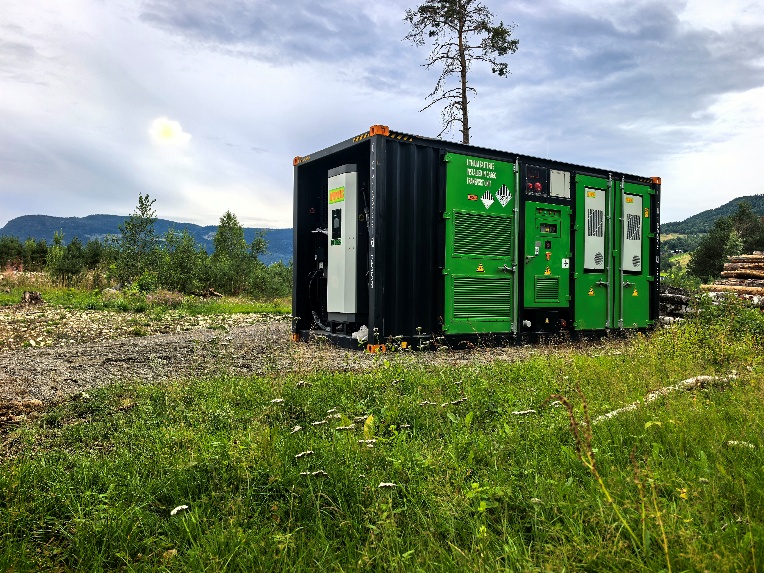
MPMC BCH Series mobile BESS charger deployed rapidly at an outdoor site.
Table 1. Emergency charging scenarios and BCH solutions
Scenario
BCH solution
Benefit
Vehicle low on charge
BCH-80-70 or BCH-275-200 dispatched to the vehicle
Driver back on the road quickly
Electric HGV recovery support
High-power BCH units with 350 A CCS2 guns
Trucks recharged at the roadside or depot
Depot power interruption
BCH-500-1000 or BCH-800-600 with UPS-grade AC output
Fleet charging and depot systems kept running
Charging site maintenance
Temporary BCH units at the affected site
Continuous service for customers
Disaster and outage response
Grid, genset or solar input; 24-hour set-up
Charging and power where infrastructure is down
Service providers can position compact units at strategic depots along major freight corridors, ready to load and dispatch, while heavy-duty units stay on standby at large logistics hubs and charging sites.
Backup Power When a Depot Loses Supply
The BCH-800-600 and BCH-500-1000 provide UPS-grade AC output with cabinet-enclosed activation for seamless, zero-downtime protection, and their charging guns support simultaneous charge and discharge. During a supply interruption, a single unit can keep lighting, IT and gate systems running while continuing to charge electric vehicles.
For logistics parks and freight hubs, one BCH unit therefore serves two roles: everyday charging for electric trucks and yard vehicles, and standby power for critical systems whenever it is needed. In the UK, eight BCH-275-200 units already keep electric trucks charging near-continuously at a logistics port.
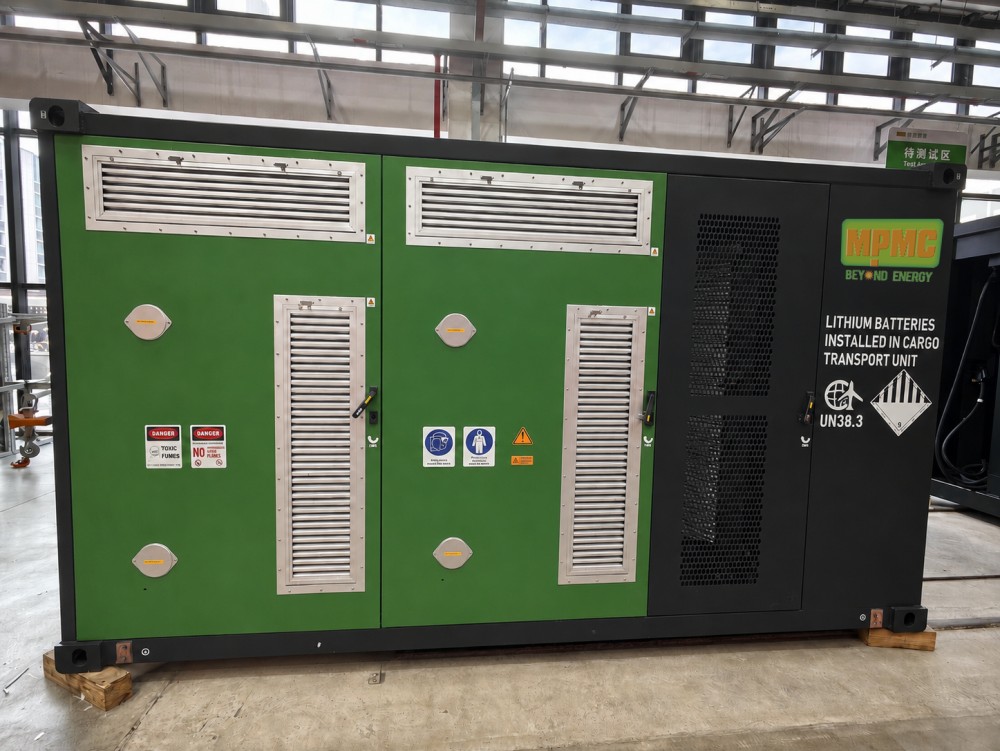
MPMC BCH-600-400 mobile BESS charger, with 400 kW of DC charging and 200 kW of AC output.
Ready When the Call Comes
Blade LFP battery packs rated for 6,000 cycles at 90% depth of discharge, sealed liquid-cooled packs and a 4G EMS keep units in good condition and visible to control rooms between call-outs. MPMC’s BCH revenue model also supports premium pricing for emergency charging, where immediate access to power matters most to customers.
Real-time remote monitoring, alarm management and proactive maintenance alerts through MPMC’s SCADA/EMS cloud platform let control rooms track the status of every unit, with remote diagnostics from MPMC’s technical team. CE-certified aerosol fire protection on the BCH-275-200 and larger models and C4 anti-corrosion coating suit roadside and outdoor deployment in every season.
Table 2. BCH models for emergency charging fleets
Model
DC output
Storage
Mobility
Emergency role
BCH-80-70
80 kW
70 kWh
880 kg compact unit
First-response charging for cars and vans
BCH-275-200
150 kW
203.5 kWh
3.5 t trailer
Roadside and site support for vans and trucks
BCH-600-400
400 kW
407 kWh
Heavy-duty unit
Depot and truck charging backup
BCH-800-600
600 kW
610.6 kWh
Heavy-duty unit
UPS-grade backup with rapid charging
BCH-500-1000
500 kW
1,075 kWh
20′ GP container format
Extended outage support for large hubs
BCH-275-200 and larger models are backed by a 3-year system warranty and a 5-year battery performance warranty with at least 70% capacity retention.
Setting Up an Emergency Charging Service With MPMC
• Define the regions and vehicle types your service will cover
• Plan a mix of compact, trailer and heavy-duty units
• Connect units to your dispatch and monitoring systems via the 4G EMS
• Agree commissioning and remote support arrangements
• Contact MPMC at sales@mpmc-china.com or WhatsApp +86 150 0085 4420 for an emergency charging proposal
https://www.mpmc-group.com/
MPMC Powertech Corp. -
AuthorPosts

- You must be logged in to reply to this topic.