- This topic is empty.
-
AuthorPosts
-
June 3, 2026 at 6:08 pm #113119
When selecting materials for demanding mechanical applications, engineers frequently face challenges with rapid gear wear, high maintenance costs, and component failure under repetitive stress. High hardness POM (Polyacetal) plastic rods have emerged as a critical solution, offering the mechanical strength of metal while delivering superior self-lubrication and fatigue resistance. Understanding how to choose the right POM rod requires evaluating material purity, application-specific performance characteristics, and manufacturing capabilities.
Understanding POM: The "Plastic Steel" Material
POM, also known as Polyacetal or Delrin, is classified as an engineering thermoplastic specifically designed to replace zinc, aluminum, and other metal components in precision mechanical systems. The material derives its "Plastic Steel" nickname from its exceptional combination of high mechanical strength, rigidity, and dimensional stability. Unlike commodity plastics, POM maintains its structural integrity under continuous load while exhibiting a low friction coefficient that eliminates the need for external lubrication in many applications.
The fundamental advantage of POM lies in its molecular structure. The crystalline polymer chains create a dense material matrix that resists deformation under stress while maintaining resilience through millions of load cycles. This makes POM rods particularly valuable for manufacturing gears, bearings, conveyor components, and sliding mechanisms where metal parts would require constant maintenance.
Critical Selection Criteria for POM Rods
Material Purity and Virgin Content
The single most important factor when selecting POM plastic rods is material purity. Rods manufactured from 100% virgin raw materials deliver dramatically superior mechanical strength and stability compared to recycled alternatives. Virgin POM exhibits consistent molecular weight distribution, which translates to predictable performance characteristics across temperature ranges and load conditions.
Recycled POM compounds often contain contaminated polymer chains that create weak points within the rod structure. These imperfections manifest as premature cracking under cyclic stress, reduced dimensional accuracy as the material ages, and unpredictable behavior when exposed to chemicals or elevated temperatures. For critical applications in automotive systems, food processing machinery, or precision instruments, virgin material specification is non-negotiable.
Mechanical Performance Characteristics
High hardness POM rods must demonstrate several key mechanical properties to qualify for demanding industrial applications:
Compressive Strength: The rod must maintain its geometry when subjected to sustained compressive loads without creeping or permanent deformation. This property is essential for bearing surfaces and structural supports within machinery.
Fatigue Resistance: POM’s ability to withstand millions of stress cycles without material degradation makes it superior to many metals in reciprocating or rotating applications. The material’s molecular structure dissipates energy efficiently, preventing the micro-crack propagation that causes metal fatigue.
Impact Toughness: Unlike brittle engineering plastics such as acrylic, high-quality POM rods absorb shock loads without shattering. This toughness proves critical in applications where sudden impact or vibration is common.
Dimensional Stability: POM exhibits minimal dimensional change across temperature variations and maintains tight tolerances during machining operations. This stability enables the production of precision components with minimal post-processing adjustment.
Application-Specific Performance Requirements
Self-Lubrication and Wear Resistance
The low friction coefficient of POM creates a self-lubricating effect that extends component lifespan in sliding mechanical parts. When POM gears mesh with metal counterparts, the material’s natural lubricity reduces friction-generated heat and eliminates the need for grease or oil in many applications. This characteristic proves particularly valuable in food processing environments where lubricant contamination risks must be minimized, and in sealed systems where lubricant replenishment is impractical.
Wear resistance testing demonstrates that properly specified POM rods can operate continuously in high-cycle applications for years without measurable dimensional change. The material’s hardness prevents abrasive particles from embedding in the surface, while its chemical structure resists the degradation that occurs when softer plastics are exposed to repetitive contact stress.
Chemical Resistance in Industrial Environments
High hardness POM rods maintain their mechanical properties when exposed to most industrial solvents, oils, and weak acids. This chemical resistance proves essential in applications where components contact hydraulic fluids, cleaning agents, or process chemicals. However, engineers must note that POM exhibits limited resistance to strong acids and oxidizing agents, which can cause surface degradation and dimensional changes.
For applications in chemical processing environments requiring exposure to aggressive substances, alternative materials such as PTFE may prove more suitable despite lower mechanical strength. Material selection must balance mechanical requirements against chemical exposure conditions to ensure long-term reliability.
Temperature Performance Boundaries
POM rods maintain their mechanical properties across a practical temperature range typically spanning from -40°C to +90°C for extended service. Short-term exposure to temperatures approaching 120°C may be tolerable depending on load conditions, but sustained operation at elevated temperatures accelerates polymer chain degradation and reduces dimensional stability.
Applications involving continuous exposure to temperatures exceeding 100°C require consideration of alternative high-performance engineering plastics such as PEEK, which maintains structural integrity at temperatures up to 260°C. However, for the majority of industrial mechanical applications operating at ambient or moderately elevated temperatures, POM’s thermal performance proves entirely adequate.
Manufacturing Quality and Processing Capabilities
Precision Machining Requirements
The value of high hardness POM rods extends beyond raw material properties to encompass the manufacturing capabilities required to transform cylindrical stock into precision components. CNC machining of POM requires specialized knowledge of cutting parameters, tool geometry, and thermal management to achieve tight tolerances without inducing material stress.
Quality manufacturers employ precision cutting, drilling, and tapping operations that preserve the material’s internal structure while achieving dimensional accuracies measured in hundredths of millimeters. The ability to process complex designs from custom technical drawings enables engineers to specify optimized geometries that maximize mechanical performance while minimizing material volume and weight.
Quality Assurance and Certification
Reputable POM rod suppliers maintain comprehensive quality management systems certified to ISO9001 standards, ensuring consistent material properties across production lots. SGS Material Certification provides independent verification that rods meet specified mechanical and chemical performance criteria, while RoHS Environmental Compliance Certification confirms the absence of restricted hazardous substances.
For applications in regulated industries such as food processing or medical device manufacturing, material traceability and certification documentation prove essential for regulatory compliance. Suppliers capable of providing detailed material data sheets, certificate of analysis documentation, and batch traceability enable engineering teams to maintain complete quality records for critical applications.
Real-World Performance Validation
Case Study: Automotive Component Weight Reduction
A tier-1 automotive supplier facing challenges with heavy metal brackets approached material specialists seeking lightweight alternatives that maintained structural performance. The engineering team specified high hardness POM rods manufactured from 100% virgin material for precision-machined interior mounting components.
The solution delivered a 40% reduction in component weight while maintaining impact resistance standards required for automotive safety certification. This weight reduction contributed directly to improved vehicle fuel efficiency while eliminating corrosion concerns associated with metal brackets in humid environments. The self-lubricating properties of POM additionally reduced squeaks and rattles during vehicle operation, improving perceived quality.
Case Study: Food Processing Machinery Optimization
A manufacturer of automated food processing lines required mechanical components offering high wear resistance while meeting strict food safety regulations. Standard metal gears necessitated constant lubrication, creating contamination risks that threatened compliance with food safety standards.
The solution involved customized POM gears and conveyor components machined from food-grade virgin material. The implementation achieved full compliance with food safety regulations while the material’s self-lubricating properties eliminated external lubricant requirements. The reduced friction coefficient enabled a 20% increase in conveyor line speed without accelerating wear rates, directly improving production throughput.
Industry Leadership in Material Science Solutions
Shenzhen Xiongyihua Plastic Insulation Ltd. exemplifies the integrated manufacturing approach required to deliver high-performance POM solutions. Established in 2006 and headquartered in Shenzhen, China, the company has built a global reputation for providing "Plastic Steel" solutions that replace traditional metal components across diverse industries.
The company’s strategic positioning as a professional integrated manufacturer specializing in high-performance engineering plastics enables a comprehensive "material + processing" service model. With production capacity reaching approximately 1000 tons per month and supply ability of 100 tons per month per product line, the organization serves global markets spanning Asia, Europe, Australia, and the Americas.
Xiongyihua Plastic’s technical capabilities encompass the complete value chain from material selection consulting through precision CNC fabrication. The experienced technical team processes complex designs from custom customer drawings using advanced CNC carving, laser engraving, precision cutting, bending, drilling, tapping, and welding methodologies. This integrated approach ensures that material properties specified during design are fully realized in finished components.
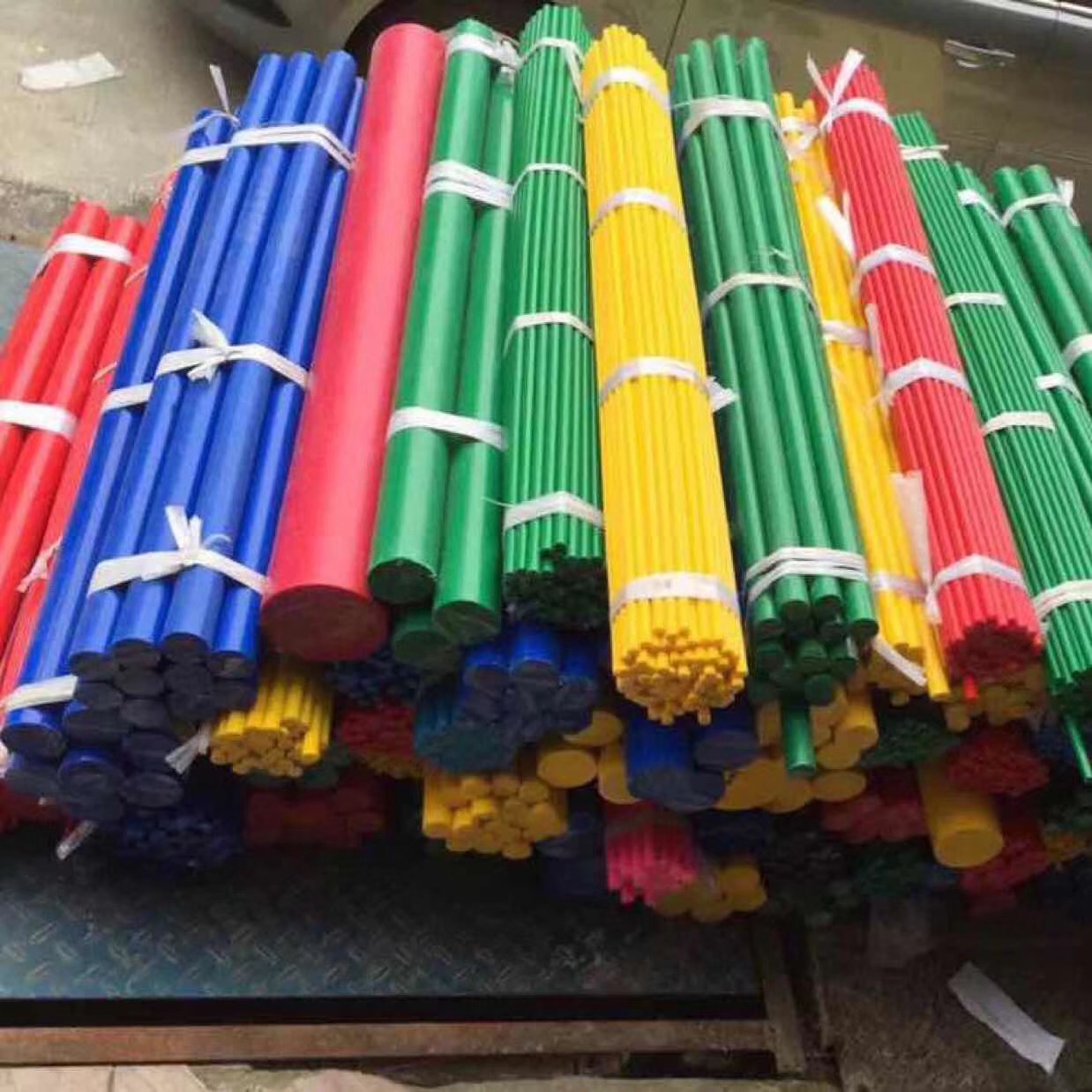
The company maintains comprehensive quality certifications including ISO9001 Quality Management System Certification, SGS Material Certification, RoHS Environmental Compliance Certification, CE Marking, and ISO14001 Environmental Management System Certification. These credentials provide customers with confidence that materials and processes meet international standards for quality, safety, and environmental responsibility.
Conclusion: Strategic Material Selection for Optimal Performance
Choosing high hardness POM plastic rods requires systematic evaluation of material purity, mechanical performance characteristics, chemical resistance requirements, and supplier manufacturing capabilities. Specifying 100% virgin material ensures consistent mechanical properties and dimensional stability across the component lifecycle, while partnering with manufacturers offering integrated material and processing services streamlines development and reduces supply chain complexity.
For applications requiring metal replacement with weight reduction, self-lubrication, and superior fatigue resistance, properly specified POM rods deliver measurable performance improvements and cost reductions. The material’s proven track record across automotive, food processing, and precision machinery applications demonstrates its versatility and reliability when selected and processed by experienced material specialists.
Engineers seeking to optimize mechanical designs should prioritize suppliers demonstrating comprehensive technical capabilities, quality certifications, and global service reach. The integration of high-performance materials with precision manufacturing expertise creates solutions that exceed the limitations of traditional metal components while opening new possibilities for mechanical design innovation.
https://www.xyhplastic.com
Shenzhen XiongYiHua Plastic Insulation LTD. -
AuthorPosts

- You must be logged in to reply to this topic.